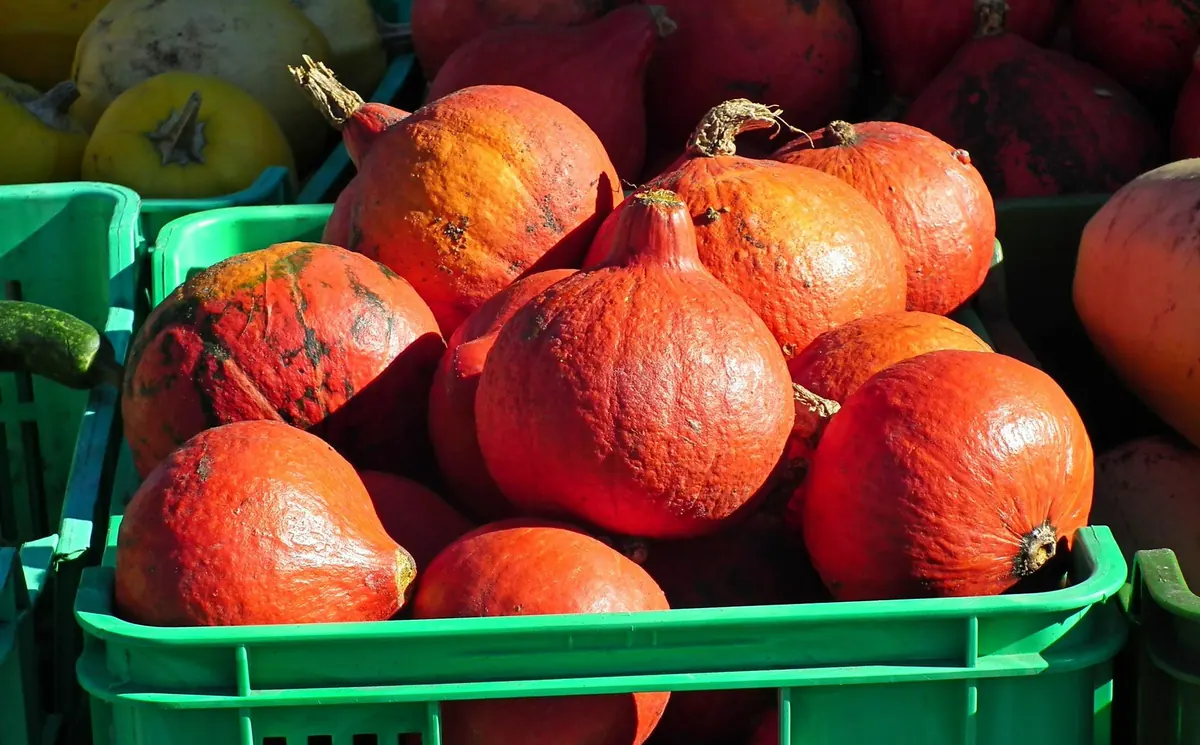
Walk through the produce section in January and you can usually tell which items flew in from somewhere warm: pale tomatoes, brittle berries, herbs priced like jewelry. Skip them. The cold months have their own strong lineup — squash, citrus, cabbage, roots, sturdy greens — and it is often cheaper, sweeter, and better suited to the food you actually want to eat when the temperature drops.
Immune health does not come from one ingredient, and no vegetable will stop a virus on its own. What a good diet does is supply the nutrients your immune system needs to do its normal work, week after week. Seasonal produce makes that pattern easier to keep, because it is abundant, affordable, and good enough that you will actually cook it.
What Immune Support Really Means on a Plate
The immune system is not a single organ you can boost with a shot of juice. It is a network of cells and tissues that depends on a steady supply of protein, vitamin C, vitamin A, vitamin D, zinc, iron, and other minerals, plus enough fiber to keep your gut bacteria well fed. Miss those consistently and you feel it — slower recovery, more fatigue, more infections that drag.
So the goal is not a "superfood." It is a rotation. A few vegetables at most meals, fruit instead of a second dessert, beans or fish a few times a week, and enough water. Seasonal eating is simply the easiest way to keep that rotation interesting when fresh local options get thin.
Fall Produce: The Last Big Harvest
Fall is the bridge between summer abundance and winter storage. It is also, arguably, the best eating month of the year. Apples, pears, cranberries, pomegranates, and figs arrive alongside the first real squash.
Vegetables peak now: pumpkin, butternut, acorn, and delicata squash, sweet potatoes, carrots, beets, parsnips, turnips, leeks, Brussels sprouts, broccoli, cauliflower, cabbage, kale, collards, chard, mushrooms, garlic, and onions. Many of these keep for weeks in a cool spot, which means a good farmers market trip in October can still be feeding you in December.
Two nutrients worth noting in fall
Orange and deep-green vegetables — sweet potatoes, squash, carrots, kale, spinach — carry beta-carotene, which the body converts to vitamin A. Vitamin A supports the barrier tissues in your nose, throat, and lungs that do the first-line filtering work. Brussels sprouts, broccoli, and kale also bring a solid dose of vitamin C, which is used by immune cells and also helps you absorb iron from plant foods like lentils and beans.
Winter Produce: Sturdier, Sweeter, Cheaper
Cold changes flavor. Frost converts some starch to sugar in parsnips, carrots, Brussels sprouts, and kale, which is why they taste sweeter in December than they did in September. Winter is also citrus season — oranges, grapefruits, clementines, lemons, and kiwifruit are at their best and their cheapest right now.
Beyond citrus, look for cabbage, leeks, celeriac, rutabaga, turnips, parsnips, potatoes, sweet potatoes, storage onions, garlic, winter squash, and hardy greens like collards and kale. Frozen berries and frozen vegetables are worth keeping on hand too; they are picked and frozen at peak ripeness, so their nutrient content holds up well and the price does not spike in February.
A Seasonal Shopping List to Work From
- Fruit: apples, pears, oranges, grapefruits, clementines, lemons, kiwifruit, cranberries, pomegranates, persimmons
- Starchy vegetables: sweet potatoes, potatoes, winter squash, parsnips, celeriac, rutabaga, turnips
- Greens and brassicas: kale, collards, chard, cabbage, Brussels sprouts, broccoli, cauliflower
- Aromatics: onions, garlic, leeks, ginger, shallots
- Protein and healthy fats that pair well: lentils, chickpeas, beans, canned fish, eggs, pumpkin and sunflower seeds, walnuts, olive oil
- Backup: frozen spinach, frozen mixed vegetables, frozen berries, canned tomatoes, sauerkraut or kimchi
That list covers vitamin C, vitamin A, zinc, iron, fiber, and fermented foods in one trip. You do not need all of it every week. Pick two items from each group and build meals around them.
How to Cook and Store It Without Waste
Roast a tray, then use it three ways
Cut squash, carrots, parsnips, onions, and a head of garlic into rough chunks, toss with olive oil and salt, and roast at 220°C / 425°F until the edges caramelize. That single tray becomes a side dish on Monday, a grain bowl on Tuesday, and the base of a soup on Wednesday once you blend it with stock. Roasting also makes bitter greens like kale and radicchio taste sweeter.
Keep citrus where you will see it
A bowl of clementines on the counter gets eaten. A bag of them in the crisper drawer does not. Same logic applies to apples and pears. Store cut citrus and juiced lemons in the fridge, but keep the whole fruit visible.
Store roots cold and dark
Potatoes, onions, garlic, squash, and sweet potatoes keep best in a cool, dark, ventilated spot — not in plastic, and not next to each other if you can help it, since onions and potatoes both release gases that shorten the other's life. Greens want moisture and cold: wrap them in a slightly damp towel, bag them loosely, and use them within a few days. Grate extra ginger and freeze it in small portions so you always have some on hand.
One food-safety note worth knowing: raw sprouts, unpasteurized juices, and unpasteurized dairy carry a higher risk of foodborne bacteria. If you are pregnant, older, or immunocompromised, cooked vegetables and pasteurized options are the safer bet.
Build the Week, Not the Meal
Start with two changes. Add one seasonal vegetable to every dinner, even if it is just frozen spinach stirred into pasta sauce. Keep a bowl of citrus or apples where you will reach for it instead of something from a packet.
Then stack a little more: cook a pot of lentils or chickpeas on Sunday, roast one tray of roots, and make a soup from whatever is wilting in the drawer. Most nights, dinner becomes a grain, a protein, and something orange or green. That is the whole strategy.
If you are dealing with frequent infections, unusual fatigue, or a diagnosed immune condition, food is only part of the picture. Talk to a doctor or registered dietitian before adding supplements, especially high-dose ones — some interact with medications, and more is not automatically better.
Photo: Teodor Buhl / Pexels